
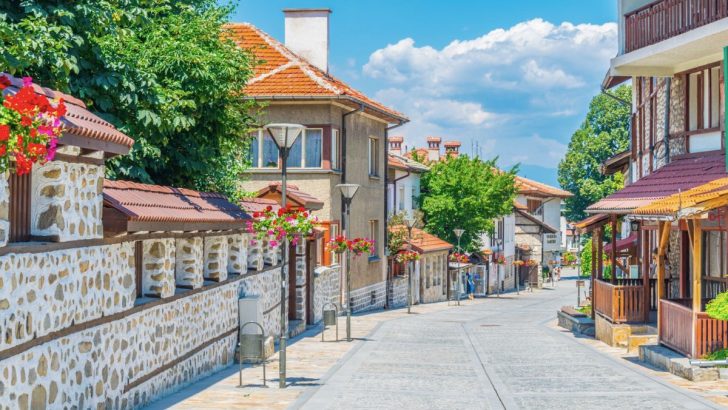
Bulgaria has officially launched a digital nomad visa aimed at attracting remote workers and freelancers from non-EU countries, positioning itself as a new hotspot for location-independent professionals.
The new visa, officially named the “Residence Permit for Remote Work,” allows non-EU citizens who are employed or self-employed abroad to legally reside and work remotely from Bulgaria for up to one year, with the possibility of renewal. This initiative aligns Bulgaria with several other European countries, such as Spain, Portugal, Estonia, and Croatia, that have implemented similar programs in recent years to capitalize on the global shift toward remote work.
According to Bulgaria’s Ministry of Justice, the visa became effective following amendments to the Foreigners in the Republic of Bulgaria Act, passed in late 2025 and enacted in early 2026.
“Bulgaria is ready to welcome global digital nomads with open arms,” said Ivanka Petrova, spokesperson for the Ministry of Justice. “This program is part of our broader strategy to modernize immigration policy and stimulate economic development through innovation and global talent.”
Visa Requirements and Eligibility
To qualify for the digital nomad visa, applicants must demonstrate that they:
- Are employed by a company registered outside of Bulgaria or operate their own business abroad
- Earn a monthly income of at least €3,000 (or equivalent in foreign currency)
- Possess valid health insurance covering their stay in Bulgaria
- Provide proof of accommodation during their intended period of residence
Applicants are also required to pass a background check and provide relevant documentation, including an employment contract or business registration, proof of income, and a clean criminal record certificate.
The visa allows holders to reside in Bulgaria for 12 months, with an option to renew for another 12 months. After five years of continuous legal stay, digital nomads may be eligible to apply for permanent residence.
Bulgaria’s Growing Appeal for Remote Workers
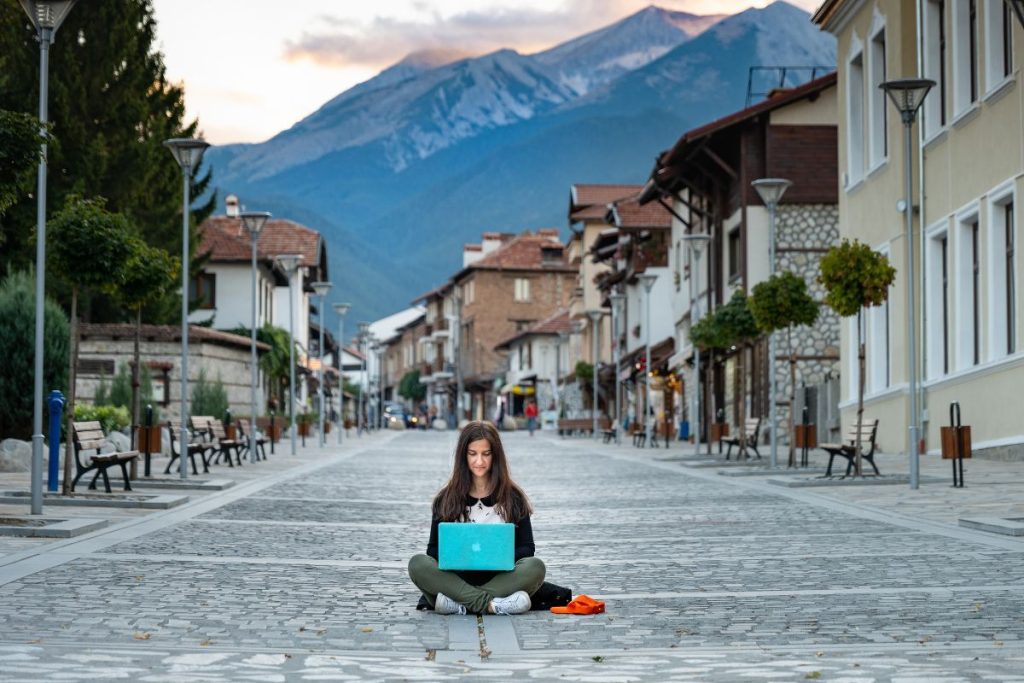
With its affordable cost of living, high-speed internet infrastructure, and strategic location within Europe, Bulgaria has steadily gained attention among digital nomads in recent years. Cities like Bansko, Sofia, Plovdiv, and Varna have already seen a rise in coworking spaces and expat communities.
Bansko itself is one of Europe’s leading digital nomad hotspots and hosts the annual Bansko Nomad Fest, attracting hundreds of remote workers and entrepreneurs from around the globe.
According to Nomad List, Bulgaria ranks among the top 20 most popular destinations for digital nomads, particularly for those seeking a balance between lifestyle and budget. The country offers a unique blend of modern amenities, rich history, mountain and seaside escapes, and a relatively mild climate compared to other Eastern European destinations.
The government sees this as an opportunity not just to welcome new residents, but also to stimulate local economies, particularly in smaller cities and rural regions that can benefit from an influx of long-term visitors spending money locally.
“We believe this visa can drive tourism, innovation, and local entrepreneurship,” said Daniela Stoyanova, head of the Bulgarian Tourism Agency. “Remote workers bring not just income, but also global perspectives and skills.”
Comparison with Other Digital Nomad Visa Programs
Bulgaria’s digital nomad visa is considered among the more accessible in Europe due to its moderate income requirement compared to countries like Iceland and Norway, which require up to €6,500 in monthly earnings. Its visa fee structure is also relatively low, making it an attractive alternative for freelancers, startup founders, and tech workers looking for a base within the European time zone.
While countries like Portugal and Spain have also introduced similar visas, Bulgaria may attract a unique demographic seeking a less saturated, less expensive destination. In addition, Bulgaria’s flat 10% personal income tax rate is among the lowest in the EU, adding to its appeal.
Potential Challenges Ahead
While the program is promising, some experts caution that bureaucratic delays and language barriers could hinder the rollout. There are also concerns about integrating newcomers into local communities and ensuring that the benefits of the program are evenly distributed across regions.
Nevertheless, officials maintain that government agencies are prepared to handle applications efficiently and provide assistance in English. The Bulgarian Investment Agency is also planning to launch an online portal dedicated to guiding digital nomads through the visa application process and connecting them with local services.
Conclusion
Bulgaria’s launch of a digital nomad visa signals its ambition to join the global movement of remote work and flexible living. With competitive requirements, strategic geographic advantages, and a warm welcome from officials, the Balkan country could soon emerge as a top choice for digital professionals seeking a dynamic and affordable European base.
Highlights:
- Bulgaria’s new digital nomad visa allows non-EU citizens to live and work remotely in the country for up to 12 months, renewable once.
- Applicants must earn at least €3,000/month and work for a non-Bulgarian employer or be self-employed abroad.
- Visa offers potential path to permanent residence after five years.
- Bulgaria aims to stimulate its economy and attract global talent through the program.
- The country combines low living costs, fast internet, and a welcoming climate for remote workers.
FAQs
1. Who can apply for Bulgaria’s digital nomad visa?
Any non-EU citizen who works remotely for a foreign company or runs a business abroad and meets the income requirement can apply.
2. How long is the digital nomad visa valid?
The visa is valid for 12 months and can be renewed for an additional 12 months.
3. What are the income requirements?
Applicants must demonstrate a minimum monthly income of €3,000.
4. Can digital nomads bring their family members?
Yes, family members may be eligible for dependent visas, subject to additional documentation.
5. Does Bulgaria tax digital nomads?
If a digital nomad stays more than 183 days in a year, they may become a tax resident and be subject to Bulgaria’s flat 10% income tax.